Carbon Dioxide (CO2) in Gas

The Stable Isotope Facility (SIF) will be closing, effective July 26, 2026.

June 3, 2026
An Update on the Plant Sciences Stable Isotope Facility

Dear Faculty, Staff, Students, and Supporters,
After a lengthy review process and careful consideration, we have made the difficult decision to sunset the Stable Isotope Facility (SIF) in its current form, effective July 26, 2026.

The Department of Plant Sciences continues to face hard decisions surrounding funding allocation given the campus-wide request to reduce budgets. Over the past several years SIF has been operating with a significant and growing deficit and, despite extensive efforts over the last several months to find a solution that would allow the facility to continue to provide services to the research community, we have not found a model that is financially sustainable.

I want to thank SIF’s staff for their excellent work and dedication these past 25 years, and everyone who has played a role in supporting this facility.

We are committed to doing our best to support the researchers who rely on the facility during this transition, and will be in touch with individual clients about details of specific plans for handling existing orders over the next several weeks.

Sincerely,
Daniel Potter
Professor and Chair, Department of Plant Sciences
University of California, Davis

Original Letter

Returning SIF Samples (Facility closes July 26, 2026)

Dear Valued Client, 

After a lengthy review process and careful consideration, we have made the difficult decision to sunset the Stable Isotope Facility (SIF) in its current form, effective July 26, 2026.

The Department of Plant Sciences continues to face hard decisions surrounding funding allocation given the campus-wide request to reduce budgets. Over the past several years, SIF has been operating with a significant and growing deficit and, despite extensive efforts over the last several months to find a solution that would allow the facility to continue to provide services to the research community, we have not found a model that is financially sustainable.

We regret to inform you that SIF staff will be unable to process your submitted samples before the facility's closure date. As a result, we would like to offer the option of returning your samples. If you would like your samples returned, please submit the request via return form on the SIF website.   If you do not wish to have the samples returned, please notify us, and we will arrange for their appropriate disposal in accordance with established protocols.

We sincerely appreciate your support of the Stable Isotope Facility and the opportunity to have served your research needs.

Sincerely,
Daniel Potter
Professor and Chair, Department of Plant Sciences
University of California, Davis

Carbon Dioxide (CO2) Analysis by Trace Gas-IRMS Tips
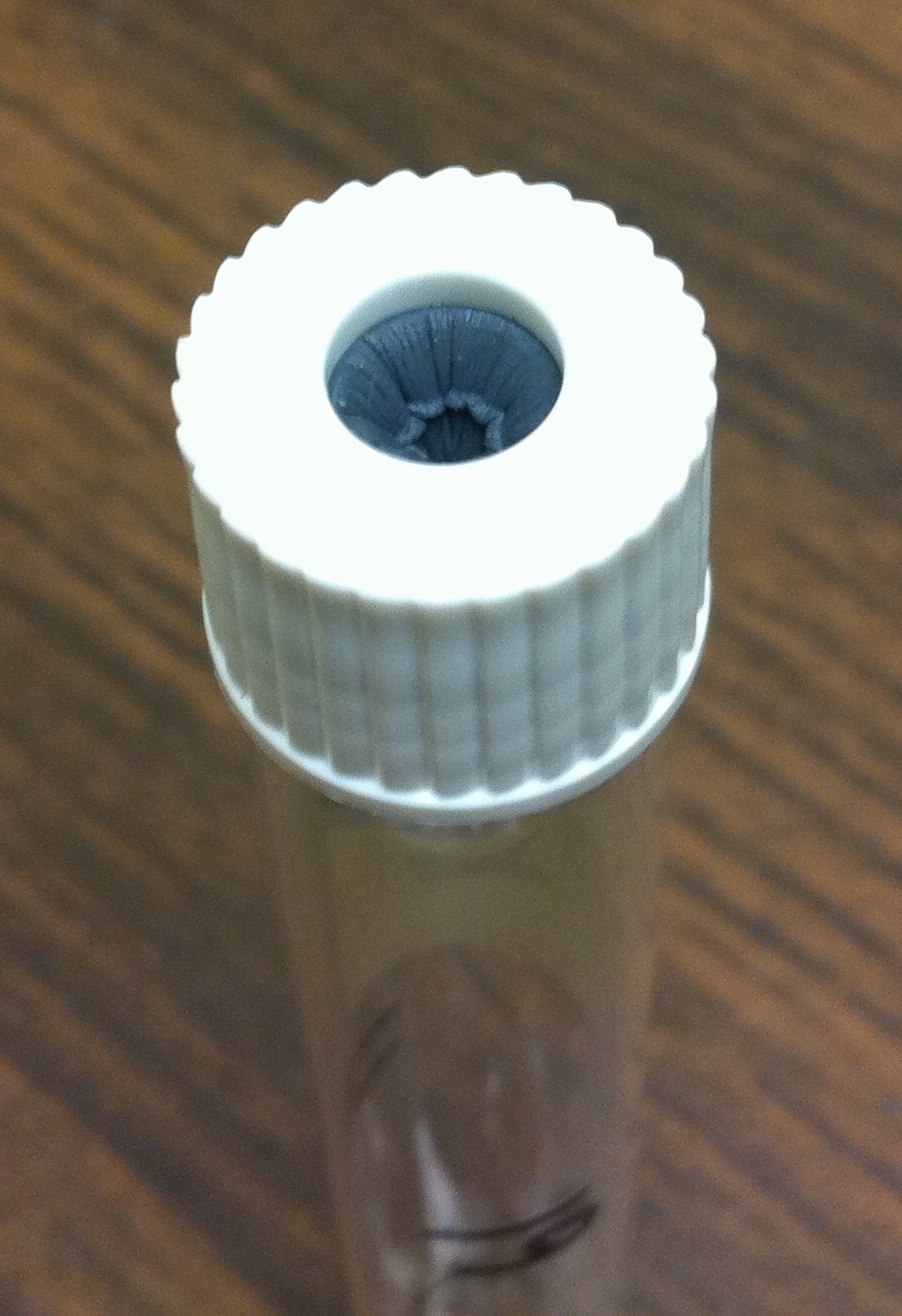
 

tightcap1) Avoid over-tightening vial caps. Vials will leak when caps are over-tightened, causing the septa to pucker and pull away from the vial. Turn caps until snug, but not so far that the septa start to pucker.

2) Do not apply silicone grease, adhesives, or sealant to the tops of the vials. These materials clog the autosampler needle. The process of removing these sealants increases the risk of losing your gas sample due to dislodged septum. The SIF may decline your order and return the samples, plus shipping cost.

3) Always use new septa; dry, cracked, or repeatedly pierced septa may leak.

4) Avoid excessive labels and tape, because the vials will be too wide to fit in our autosampler rack.

5) Gas vials should be free of particulate matter or slurries, as the particles will clog our autosampler needle.


Shipping
Carefully package small groups of Exetainers in Ziplock bags, small boxes, or in their original boxes with dividers. Then package these sets in a larger, sturdy box with Styrofoam peanuts or bubble wrap. Make sure the samples are very secure, loose vials can shatter during shipping. We generally do not return vials or shipping containers.

Please complete and submit the online Analysis Order Form and Sample List for your samples.  Also, be sure to include a printed copy with your samples. The SIF uses this form to track your samples and to contact you regarding receipt of samples, data, and invoicing. For mixed analysis requests, we require a separate form for each type of analysis.